Reviewing the Mini Elephant Machine Embroidery Design
As a designer who has spent countless hours staring at hoop frames and troubleshooting thread breaks, I approach every new machine embroidery design with a mix of curiosity and caution. We have all been there: you download a file that looks adorable on the screen, only to find it turns into a puckered mess or an indistinguishable blob once it hits the fabric. Today, I am taking a close look at the Mini Elephant Machine Embroidery Design, evaluating it not just as a digital asset, but as a practical tool for real-world production.
First Impressions and Visual Personality
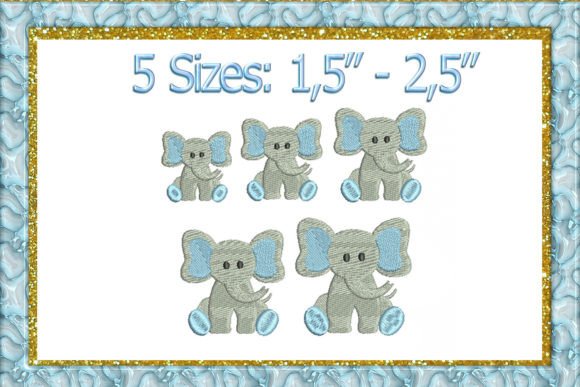
The first thing that strikes me about this tiny elephant motif is its simplicity. In the world of Animals themed Embroidery, complexity often leads to stitching nightmares, especially when scaling down. This design avoids that trap. The lines are clean, and the shape is recognizable even at a small scale. It exudes a gentle, playful mood that feels immediately appropriate for baby items or whimsical home decor. There is no unnecessary clutter here; the visual personality is soft and inviting, which is exactly what you want when creating a personalized gift or a boutique product.
When I visualize this embroidery file in action, I do not see it competing for attention. Instead, I see it acting as a charming accent. Whether used as a standalone element or part of a larger composition, the mini elephant maintains its integrity. For those of us running a craft business, having a design that reads well from a distance is crucial for customer engagement.
Real-World Application: The Tote Bag Test
To truly understand the value of a design, you have to imagine it on a finished product. Let us consider a common scenario: preparing a custom embroidered tote bag for a local market. Canvas is a sturdy fabric, but it can be unforgiving if the stitch density is too high or the stabilizer is insufficient. I envision placing this mini elephant on the corner of a natural cotton tote. Because the design is compact, it does not overwhelm the bag’s surface. It adds a touch of personality without making the item feel childish, broadening its appeal to adults who appreciate subtle, cute aesthetics.
This versatility extends to other items as well. Imagine this design on a sweatshirt embroidery project. Placed over the heart or on the sleeve cuff, it becomes a stylish detail rather than a loud statement. For Etsy sellers and small shop product creators, this adaptability is gold. You can use the same digital embroidery file across multiple product lines, from baby embroidery onesies to adult apparel, maximizing your return on investment.
Technical Performance and Stitch Quality
From a technical standpoint, the success of any embroidery project relies on how the stitches interact with the fabric. While I cannot verify the exact stitch count without opening the specific file, the visual structure suggests a balanced use of fill stitch and running stitch elements. The outline appears crisp, which is essential for maintaining the elephant’s shape. If the design relies heavily on satin stitch for the ears or trunk, it will provide a nice sheen and texture contrast against matte fabrics.
However, we must address the realities of stitch density. Tiny designs can sometimes become dense patches of thread if not optimized. When working with this mini elephant, I recommend paying close attention to the underlay. A proper underlay ensures the top stitches sit flat and prevents the fabric from pulling. This is particularly important when working with stretchy materials like jersey knits for t-shirts or delicate fabrics for nursery decor.
Fabric and Hoop Considerations
Choosing the right hoop size is critical. Since this is a "mini" design, it likely fits comfortably in smaller hoops, such as 4x4 inches. This makes it ideal for projects where space is limited, like embroidered patch creation or adding details to caps and hats. Curved surfaces can be tricky, so ensuring the design is centered and properly stabilized is key to avoiding distortion.
Fabric texture also plays a role. On smooth cotton or linen, the details will pop. On textured fabrics like terry cloth or heavy denim, some finer details might get lost. I always advise testing the design on scrap fabric first. Check how the thread colors interact with the background. A dark thread on a dark fabric might obscure the shape, while high-contrast combinations will highlight the silhouette effectively.
Navigating Potential Challenges
While this design is robust, there are areas where caution is needed. If you plan to use it on very thin or sheer fabrics, the stitch penetration could cause puckering. In these cases, using a cut-away stabilizer is non-negotiable. Additionally, if you are incorporating this into a design with tiny lettering, ensure there is enough spacing between the text and the elephant to prevent thread buildup.
For commercial embroidery purposes, durability is a major concern. Items like tote bag design prototypes or holiday embroidery gifts often undergo frequent washing. A well-digitized design should hold up, but always check the thread tension. Loose threads can unravel over time, diminishing the perceived quality of your handmade product.
Enhancing Brand Value and Customer Trust
Using high-quality design assets like the Mini Elephant Machine Embroidery Design directly impacts your brand consistency. When customers receive a finished product that looks professional and well-crafted, their trust in your business grows. This design contributes to that professionalism by offering a clean, polished look that does not appear amateurish. It is suitable for both personal use and commercial projects, provided you verify the licensing terms included with the file.
For digital product sellers creating printable mockup previews, this design offers excellent visual appeal. It photographs well and translates nicely into marketing images, helping to drive buyer engagement. Whether you are selling the physical embroidered item or the digital file itself, the aesthetic quality of the elephant motif supports a premium positioning.
Practical Designer Notes
Before you start stitching, keep these practical tips in mind:
- Test on Scraps: Always run a test stitch-out on the same type of fabric you intend to use for the final product.
- Check Contrast: Review the design in black and white to ensure the shape remains distinct regardless of thread color choices.
- Verify Formats: The product description mentions that nine formats are included, specifically noting PES. Ensure your machine reads the format you select. If you are unsure, convert the file using reliable software.
- Stabilizer Selection: Match your stabilizer to the fabric weight. Heavier fabrics may need less support, while light knits require robust stabilization.
- Licensing Check: Confirm whether the license allows for unlimited commercial sales or if there are restrictions on the number of finished items you can produce.
In conclusion, the Mini Elephant Machine Embroidery Design is a versatile and charming addition to any designer’s library. It balances cuteness with technical feasibility, making it a strong candidate for a wide range of custom apparel and home goods. By approaching it with careful preparation and an eye for detail, you can create stunning, high-value products that resonate with customers and elevate your craft.