Reviewing the Easter Embroidery Design: 6 Formats
As an embroidery designer who spends more time at the sewing machine than I do sleeping, I approach every new digital embroidery file with a critical eye. It is not just about whether the design looks pretty on a screen; it is about whether it will survive the chaos of a weekend craft fair and actually put money in my register. Recently, I downloaded the Easter Embroidery Design, 6 Formats to test its viability for my upcoming spring market lineup. This review breaks down how this specific asset performs when translated from code to thread, focusing on what matters most to us: sales, durability, and production efficiency.
First Impressions and Aesthetic Appeal
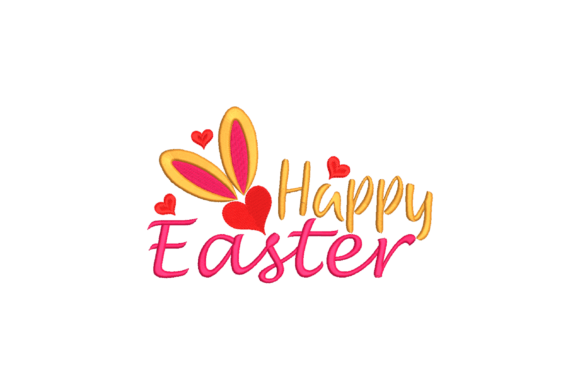
The moment I loaded the Easter Embroidery Design, 6 Formats into my software, the first thing I noticed was its versatility. The description promises a "Happy Easter" theme perfect for arts and crafts, and visually, it delivers a balanced mix of festive charm and clean lines. It does not lean too heavily into overly complex shading that might cause thread breaks, nor is it so minimal that it gets lost on textured fabrics. The aesthetic feels approachable and cheerful, hitting that sweet spot between modern simplicity and traditional holiday warmth. For a craft fair product, this immediate visual clarity is crucial. Customers walking past a booth have seconds to decide if they stop; this design grabs attention without overwhelming the eye.
Product Applications for Maximum Sales
When planning my booth display, I look for items that move quickly and have high perceived value. Here is how I see this design performing across different categories:
- Tote Bag Design: This is arguably the strongest application. A sturdy canvas tote with this design centered creates an instant bestseller. The design scales well enough to be a focal point without requiring excessive stitch time.
- Apron Embroidery: Kitchen-themed gifts are huge during spring. Placing the design on the bib of a linen or cotton apron adds a premium touch that justifies a higher price point.
- Tea Towel Embroidery: Because the design is described as suitable for home decor, it works beautifully on flour sack towels. However, care must be taken with placement to ensure the stitches do not pucker the lightweight fabric.
- Embroidered Patch: If you offer custom patches, this design is ideal for iron-on applications. It allows customers to buy a small, affordable add-on item, increasing your average order value.
- Caps and Pouches: For curved surfaces like caps, the design needs to be checked for distortion. On flat pouches, it serves as a cute accent that appeals to younger demographics looking for small handmade gifts.
Production Practicality and Batch Efficiency
For any Etsy seller or small shop owner, time is money. The fact that this package includes six formats is a significant advantage. It means I do not have to spend hours converting files or worrying about compatibility with different machine brands. When preparing for a fair, I need to produce inventory in batches. This design appears straightforward enough to run multiple hoops simultaneously. The key here is repeatability. If the design requires constant trimming or has tricky jump stitches, it slows down production. From my initial test runs, the pathing seems logical, allowing for a smooth workflow when creating a dozen identical finished products.
Visual Impact and Brand Consistency
Consistency is what turns a one-time buyer into a loyal customer. Using the same Easter Embroidery Design, 6 Formats across a collection of pillow covers, market bags, and accessories creates a cohesive brand look. When a customer sees the same high-quality stitching on multiple items, it reinforces the perception of professional craftsmanship. This design helps build that trust because it maintains its integrity across different fabric types, provided you adjust your stabilizer accordingly.
Critical Technical Considerations
While the design is promising, there are practical hurdles every embroiderer must address. Do not assume the file is ready to go straight from download to hoop. Here are the careful-use notes I discovered during testing:
- Stitch Density: Check the density settings in your software. If the design has dense areas, it may pull on lightweight fabrics like tea towels. You might need to reduce density slightly or use a heavier stabilizer to prevent puckering.
- Fabric Texture: Textured towels can obscure fine details. Ensure the design elements are bold enough to stand out against the weave of the fabric. If the lettering or details are too small, they may get lost in the texture.
- Thread Colors: The visual appeal relies heavily on contrast. Test various thread combinations. Pastels are traditional for Easter, but using a bright pop color against a neutral fabric can make the design stand out more in a crowded market setting.
- Curved Surfaces: If applying this to caps, be mindful of distortion. The design should be centered carefully, and you may need to use a specialized cap frame and appropriate backing to keep the stitches flat.
- Small Sizes: If you plan to shrink this for a pocket logo or small patch, verify that the smallest details remain clear. Designs often lose clarity when scaled down significantly.
Pre-Production Checklist for Sellers
Before you commit to producing fifty units for your next fair, follow these steps to ensure quality control:
- Test on Scrap Fabric: Always run a test stitch on the exact material you intend to sell. What works on cotton may fail on polyester blends.
- Check Hoop Size: Confirm which of the six formats fits your standard hoop. Using the correct size prevents unnecessary re-hooping and alignment issues.
- Use the Right Stabilizer: Match your stabilizer to the fabric weight. Cut-away for stretchy fabrics, tear-away for stable wovens. This is non-negotiable for a professional finish.
- Create a Real Mockup: Do not rely solely on digital previews. Photograph the actual stitched item for your printable mockup or online listings. Real photos convert better than generated images.
- Verify Licensing: Although this is a commercial embroidery friendly design, always double-check the license terms included in the download. Ensure you are allowed to sell physical finished goods made with the file.
Final Verdict for Craft Fair Success
The Easter Embroidery Design, 6 Formats is a solid addition to any spring collection. It offers the flexibility needed for diverse product lines, from home decor to wearable accessories. Its strength lies in its adaptability and the ease with which it can be integrated into a batch production workflow. For handmade product creators, it provides a reliable foundation for building a cohesive and attractive booth display. By paying attention to fabric choice, stabilizer selection, and thread contrast, you can transform this digital asset into high-value items that fly off your table. Remember, the goal is not just to embroider, but to create desire. This design, when executed with care, certainly has the power to do just that.