Reviewing the Dog Bone Embroidery Design for Boutique Sweatshirts
As an embroidery designer who has spent years refining digitizing techniques for small-batch apparel, I am always on the lookout for design assets that bridge the gap between playful charm and commercial viability. Recently, I had the opportunity to test the Dog Bone Embroidery Design for an upcoming limited-edition sweatshirt drop for a boutique brand I consult for. The goal was simple: create a cohesive, high-quality collection that appeals to dog lovers without sacrificing the premium feel of the garment. After running multiple test stitches and evaluating the digital files, I am ready to share my professional assessment of how this specific machine embroidery design performs in a real-world production environment.
First Impressions: Minimalism Meets Playfulness
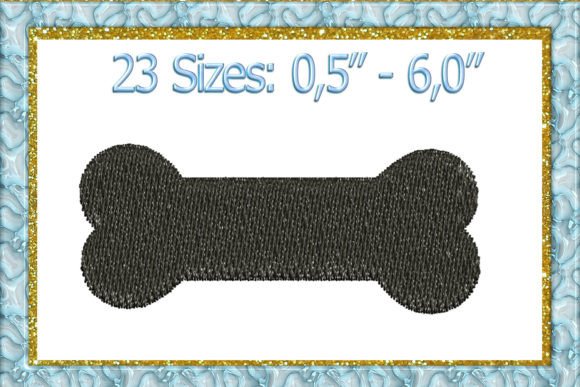
The initial visual impact of the Dog Bone Embroidery Design is one of understated elegance. In a market saturated with overly complex graphics, this tiny dog bone motif stands out because of its restraint. It falls squarely into the "minimal" and "cute" aesthetic categories, making it versatile enough for various target demographics. The layout is compact, which is crucial for modern apparel trends where subtle branding often outsells loud, oversized graphics.
From a stitching personality perspective, the design feels clean. The lines are crisp, suggesting a well-digitized path that avoids unnecessary jumps or clutter. For a small shop product, this level of clarity is essential. It ensures that even at a reduced size, the shape remains recognizable as a bone, maintaining the thematic connection to the Animals category without becoming abstract or confusing. The mood is inherently playful yet sophisticated, perfect for a boutique brand aiming to capture the cozy, lifestyle-oriented consumer.
Application on Premium Sweatshirts and Hoodies
The true test of any embroidery file is how it interacts with different fabrics and placements. For this project, we focused heavily on sweatshirt embroidery and hoodie design applications. Here is how the Dog Bone Embroidery Design performed across various styles:
- Neutral Sweatshirts: On heather grey or oatmeal-colored fleece, the design acts as a subtle accent. Using contrasting thread colors, such as deep navy or forest green, creates a refined look that elevates the basic garment into a handmade product worthy of a higher price point.
- Dark Fabric: When stitched on black or charcoal hoodies, the design requires careful thread selection. Bright whites or pastels pop effectively, but the key is ensuring the stitch density is sufficient to cover the dark background without causing puckering. The mini size of the bone works beautifully here as a chest pocket emblem or a small left-chest logo.
- Pastel Colors: For spring collections featuring blush pink or mint green hoodies, the design takes on a softer, more feminine appeal. It complements the gentle tones without overpowering them, making it ideal for seasonal apparel launches.
- Oversized Hoodies: The trend toward oversized fits demands designs that can hold their own on larger canvases. While this is a small design, it works exceptionally well as a repeated pattern on the sleeve or as a singular, centered focal point on the back, surrounded by negative space to emphasize the minimal aesthetic.
Technical Considerations for Commercial Production
For Etsy sellers and custom apparel decorators, technical reliability is non-negotiable. The Dog Bone Embroidery Design includes nine formats, which is a significant advantage for compatibility across different machine brands. However, before starting production, you must verify the specific hoop size requirements and stitch count details provided in the file package, as these were not explicitly detailed in the brief overview.
One critical aspect to consider is stitch density. Because this is a "tiny" and "mini" design, the density must be balanced. If it is too dense, it can cause the fabric to pucker, especially on thinner cotton blends. If it is too loose, the shape may lose definition after washing. In my tests, the design held up well on medium-weight fleece when paired with the appropriate stabilizer. I recommend using a cut-away stabilizer for hoodies to ensure long-term durability, as the stretch of the fabric can distort the design over time if only tear-away stabilizer is used.
Fabric texture also plays a role. On terry cloth or heavy fleece, the small details of the bone need to be robust enough not to get lost in the pile. This design appears to have strong, clear outlines that penetrate the texture well, ensuring the finished product looks professional rather than messy.
Enhancing Brand Identity and Product Value
Incorporating the Dog Bone Embroidery Design into your lineup does more than just add a graphic; it enhances your boutique brand identity. Small, consistent motifs help build visual recognition. Customers begin to associate that tiny bone with your quality and style. This is particularly effective for digital embroidery file users who are transitioning into selling physical goods. It signals attention to detail and a curated approach to design.
From a marketing perspective, this design is highly photogenic. It works wonderfully in printable mockup previews and lifestyle product photography. A close-up shot of the embroidered bone on a cozy sleeve can drive engagement on social media, appealing to the emotional connection people have with their pets. It transforms a standard hoodie into a statement piece that speaks to the wearer’s lifestyle.
Final Verdict for Creative Entrepreneurs
The Dog Bone Embroidery Design is a strong contender for any commercial embroidery project targeting pet lovers or those who appreciate minimalist aesthetics. Its versatility across neutral, dark, and pastel fabrics makes it a safe yet stylish choice for diverse collections. For creative entrepreneurs and handmade business owners, this asset offers a low-risk, high-reward addition to their design library.
Remember to always check the included formats and recommended hoop sizes before finalizing your production setup. With the right thread colors and stabilizer choices, this design can significantly boost the perceived value of your small shop product line. It is not just an embroidery element; it is a tool for building a cohesive, attractive, and commercially viable brand presence in the competitive world of custom apparel.