Review: Letter L Monogram Embroidery for Craft Fairs
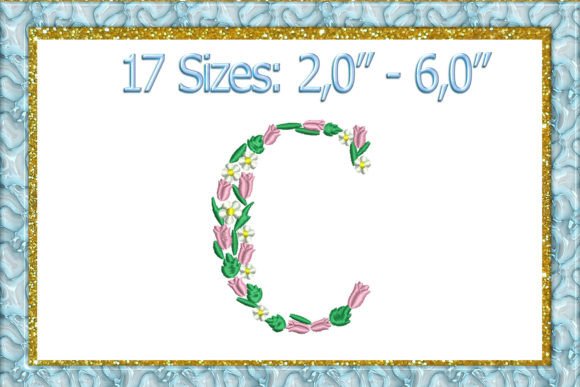
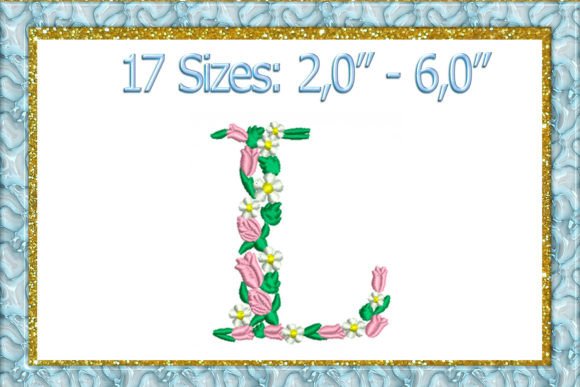
As an embroidery designer who has spent countless weekends behind a booth table, I know that the difference between a browser and a buyer often comes down to visual impact. When I first loaded the Letter L Monogram Embroidery into my digitizing software, I was looking for more than just a pretty pattern. I was looking for a reliable craft fair product that could anchor a collection. This specific design, described as a Floral L monogram with fancy vine elements, immediately struck me as having the right balance of elegance and readability. It is not a whole alphabet set, which means it is a targeted asset for sellers focusing on personalized or initial-based gifts.
First Impressions and Aesthetic Appeal
The visual language of this machine embroidery design leans heavily into the romantic and rustic categories. The integration of floral elements with the capital letter L creates a soft, decorative feel that appeals to a wide demographic. In a busy market environment, customers scan tables quickly. A design that is too complex gets lost, while one that is too minimal might be overlooked. This fancy vine monogram hits a sweet spot. It feels premium without being intimidating.
For those of us running a small shop product line, consistency is key. This design offers a cohesive look that can brand your entire booth. Whether you are aiming for a farmhouse vibe or a modern botanical aesthetic, the organic lines of the vines soften the rigid structure of the letter, making it approachable and warm. It does not scream "mass-produced," which is exactly what handmade buyers are searching for.
Versatility Across Product Lines
The true test of any embroidery file is its adaptability. I evaluated how this design would perform across various popular items found in the House category. Here is where I see the most potential:
- Tote Bags: A tote bag design needs to be bold enough to be seen from a few feet away. Placing this monogram centrally on a canvas tote creates an instant focal point. It transforms a basic utility item into a personalized accessory.
- Aprons and Tea Towels: For apron embroidery and tea towel embroidery, placement is critical. The design works beautifully as a chest pocket accent on an apron or a corner detail on a kitchen towel. However, you must consider the fabric texture. Terry cloth towels can swallow small details, so ensure the stitch density is appropriate for looped fabrics.
- Caps and Hats: Embroidering on curved surfaces is tricky. The fancy vine elements need to be checked for pull compensation. If the design is too wide, it may distort on a standard cap. I recommend testing this on a scrap cap before committing to a full production run.
- Embroidered Patches: Creating an embroidered patch allows you to sell the design as a standalone item. Customers can then apply it to jackets or bags themselves. This expands your market to those who do not own embroidery machines but love the aesthetic.
Production Practicalities for Sellers
When preparing for a craft fair, efficiency is everything. You cannot afford designs that jam machines or require excessive trimming. Since this is a digital embroidery file package that includes nine formats, compatibility is rarely an issue. However, the description notes that it is not a whole alphabet, meaning you are selling specific initial products or using it as a decorative element rather than a full name generator.
One major advantage of this design is its potential for batch production. Because it is a single letter, you can hoop multiple items at once if you have a multi-needle machine or a large hoop setup. This reduces the time spent re-hooping, which is the biggest bottleneck in commercial embroidery workflows. The design photographs well for online listings, too. The contrast between the thread and the fabric tends to pop in photos, which is crucial for Etsy seller success.
Technical Considerations and Careful Use
Before you start stitching hundreds of units, there are technical factors to address. The "fancy vine" description suggests intricate details. You must check the stitch density. If the density is too high, the fabric may pucker, especially on lighter materials like cotton voile or linen. Conversely, if it is too low, the backing might show through.
Always use the correct stabilizer. For textured towels, a cut-away stabilizer is usually safer than tear-away to prevent distortion after washing. For caps, a stiff backer is essential. Also, consider thread colors. While the design is beautiful in traditional greens and pinks, testing it in monochrome threads (like all white or all navy) can give it a modern, minimalist twist that appeals to a different customer segment.
Be cautious with dark fabrics. If the design has small gaps between stitches, the dark fabric underneath might peek through, breaking the visual continuity. Always run a test stitch on the exact fabric color you plan to sell. Additionally, verify the hoop size requirements. Ensure the design fits comfortably within your standard hoops without needing constant re-positioning.
Boosting Brand Value and Engagement
Using a high-quality monogram like this elevates the perceived value of your finished product. It signals attention to detail. When customers see a well-digitized floral monogram, they associate it with quality craftsmanship. This helps justify higher price points. Furthermore, it strengthens brand consistency. If all your samples feature this cohesive style, your booth looks curated and professional.
To maximize engagement, create a printable mockup or display physical samples on mannequins or hangers. Show the design on different items to help customers visualize it in their own homes. This reduces hesitation and speeds up the decision-making process.
Final Designer Notes
Before listing this as a design asset or producing final goods, take these steps:
- Test on Scrap Fabric: Never skip this step. Check for thread breaks and tension issues.
- Review Spacing: Ensure the vines do not overlap the letter in a way that makes the "L" hard to read from a distance.
- Confirm Licensing: The description states "Not whole alphabet" and includes 9 formats. Verify if the license allows for unlimited physical sales or if there are restrictions on digital resale. Most commercial embroidery licenses allow selling finished physical items, but always read the fine print.
- Check File Formats: Ensure the included formats match your machine’s requirements (e.g., PES, DST, JEF).
In conclusion, the Letter L Monogram Embroidery is a strong contender for any embroidery business looking to expand its craft fair offerings. It combines aesthetic appeal with practical usability, making it a versatile choice for tote bags, home decor, and wearable art. With careful attention to stabilizer choice and thread contrast, this design can become a staple in your best-selling lineup.