Reviewing the Love Tree Embroidery Design for Craft Fairs
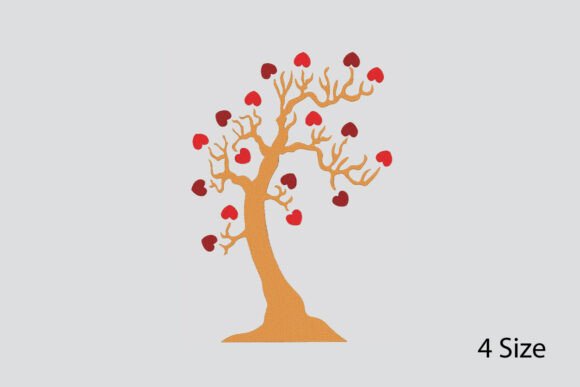
As an embroidery designer who has spent countless weekends behind a booth table, I know that not every machine embroidery design translates well from screen to sale. When I first loaded the Love Tree Embroidery Design into my software, I was looking for more than just aesthetic appeal. I was evaluating its potential as a high-converting craft fair product. In the bustling environment of a handmade market, you have seconds to catch a customer’s eye. This design, with its organic lines and symbolic warmth, offers a unique blend of rustic charm and modern simplicity that fits perfectly into the current trend of meaningful, nature-inspired decor.
First Impressions and Market Fit
The initial visual impact of the Love Tree Embroidery Design is surprisingly versatile. It does not scream "holiday" in a way that limits its shelf life, yet it carries enough sentimental weight to serve as a standout item during Valentine S Day promotions. The motif feels elegant rather than overly cute, making it suitable for a broader demographic. For Etsy seller accounts and boutique makers, this versatility is crucial. A design that can transition from a romantic gift in February to a general home decor staple in March maximizes your return on investment.
When considering where this design shines, I immediately thought of home textiles. The description notes it is perfect for decorating pillows and towels, and I agree. However, its true strength lies in its adaptability. On a neutral linen pillow cover, the tree motif adds a touch of farmhouse elegance. On a crisp white tea towel, it becomes a charming kitchen accent. This flexibility allows small shop owners to create a cohesive collection without needing dozens of different digital files.
Product Applications for Maximum Sales
To truly evaluate the commercial viability of this embroidery file, I mentally staged it across various popular handmade items. Here is how the Love Tree Embroidery Design performs on key products:
- Tote Bags and Market Bags: This is perhaps the strongest application. A large, centered tree on a canvas tote creates an instant statement piece. It appeals to eco-conscious shoppers who want stylish, reusable bags. The design scales well here, allowing for detailed stitch work that looks premium.
- Aprons and Kitchen Textiles: For apron embroidery, placing the design on the bib or lower corner adds a personalized touch that mass-produced items lack. Tea towel embroidery benefits from the design’s likely open spacing, ensuring the fabric remains absorbent and soft.
- Apparel and Hoodies: Personalizing t-shirts and hoodies with this motif works well for a left-chest placement. It is subtle enough for daily wear but distinctive enough to be noticed. For Embroidery on darker fabrics, careful thread color selection is vital to maintain visibility.
- Embroidered Patches: If the design holds up at smaller sizes, it makes an excellent iron-on patch. Patches are low-cost, high-margin items that attract impulse buyers at craft fairs.
Production Practicality and Stitch Quality
From a production standpoint, batch consistency is key. A design that is too complex or has excessive stitch density can slow down your workflow and increase thread breaks. While I do not have the exact technical specifications for this file, the visual simplicity of a tree motif suggests it should be relatively efficient. However, designers must check the digitizing quality. Look for smooth curves in the branches and leaves. Jagged lines can detract from the handmade product quality and make the item look amateurish.
One critical factor is the hoop size compatibility. Since the description mentions it comes with multiple formats, ensure you select the version that fits your standard hoop without unnecessary resizing, which can distort stitch angles. Always test the design on scrap fabric before committing to final goods. Pay close attention to how the threads interact with the fabric texture. Thick, plush towels may swallow fine details, while smooth cottons will showcase the stitch definition beautifully.
Visual Appeal and Brand Consistency
In a crowded marketplace, your booth display needs to tell a story. The Love Tree Embroidery Design supports a brand narrative centered on growth, love, and nature. Using consistent thread colors across different products—such as earthy greens, warm browns, or soft pinks—creates a visually harmonious display. This cohesion helps customers visualize how different items, like a matching towel and apron set, would look in their own homes.
Photography also plays a massive role in online sales. This design photographs well because of its clear silhouette. When creating listings, use natural light to highlight the texture of the stitches. A good printable mockup can help you visualize the design on various backgrounds before you even stitch a single thread, saving time and materials. These design assets are invaluable for planning your inventory mix.
Careful-Use Notes for Designers
While the Love Tree Embroidery Design is promising, there are practical pitfalls to avoid. Be cautious with tiny details if you plan to scale the design down for small pouches or caps. Small lettering or intricate leaf patterns may merge together if the resolution is not high enough. Additionally, when embroidering on curved surfaces like caps, use appropriate stabilizers to prevent puckering.
For dark fabrics, consider using a lighter thread color or adding a satin stitch border to make the design pop. Always confirm the commercial licensing terms included with the digital embroidery file. As a commercial embroidery provider, you need to ensure you have the right to sell finished products made with this design. If the license terms are not explicitly stated in the product description, contact the creator before proceeding.
Final Verdict for Craft Entrepreneurs
The Love Tree Embroidery Design is a strong contender for any embroidery business looking to expand its home textile and apparel offerings. Its balance of aesthetic appeal and production feasibility makes it a smart choice for both new and experienced makers. By focusing on high-quality materials, precise stitching, and strategic product placement, you can turn this single design into a best-selling component of your small shop product line. Remember to test thoroughly, choose your stabilizer wisely, and let the natural beauty of the tree motif speak to your customers’ desire for meaningful, handcrafted goods.