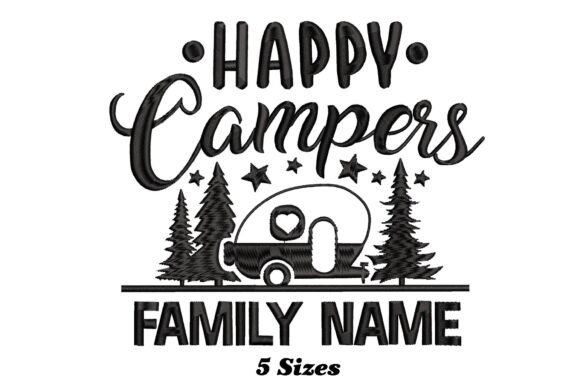
Happy Camper Embroidery: A Designer’s Review for Small Business Merch
As an embroidery designer who has spent years digitizing and reviewing files for commercial use, I approach every new machine embroidery design with a critical eye. It is not just about whether a pattern looks cute on a screen; it is about how it performs on fabric, how it holds up to washing, and most importantly, how it serves the brand identity of the small business owner using it. Recently, I reviewed Happy Camper Embroidery, a design that promises to give fabrics a charming update with a fun and quirky flair. After analyzing its potential for branded merchandise, I have compiled this review to help apparel decorators, Etsy sellers, and boutique owners decide if this file belongs in their digital library.
First Impressions: Visual Personality and Brand Fit
The immediate impression of Happy Camper Embroidery is one of approachable warmth. The description highlights a "delightful" aesthetic intended to embellish t-shirts, towels, or home decor. From a branding perspective, this design does not scream high-end luxury or corporate rigidity. Instead, it leans heavily into the rustic, handmade, and playful categories. This makes it an exceptional choice for businesses that want to project friendliness and authenticity.
For a local café, a florist, or a pet brand, this design acts as a visual handshake. It tells the customer that the business values comfort and joy. However, for a tech startup or a law firm, this might be too casual. The key here is alignment. If your brand voice is warm, inviting, and slightly whimsical, this embroidery file aligns perfectly with your visual identity. It avoids being overly complex, which is crucial for maintaining clarity when scaled down for smaller applications.
Real-World Applications for Small Business Merch
When evaluating a design for commercial use, I look at versatility. Happy Camper Embroidery shines in several specific areas of small business merch production:
- Embroidered Patches: This is perhaps the strongest use case. The design’s quirky flair translates well to iron-on or sew-on patches. These can be sold as standalone products or used as value-added gifts with purchase.
- Staff Uniforms and Aprons: For bakeries and creative studios, adding this design to apron embroidery creates a cohesive team look. It softens the uniform, making staff appear more approachable to customers.
- Tote Bag Design: Canvas bags are a staple for boutiques. Placing this design on a tote creates a functional piece of advertising that customers will actually use, extending your brand reach beyond the store.
- Cap Embroidery: While caps require careful placement, the compact nature of many camper-themed motifs works well on the front panel or side of a dad hat, appealing to the outdoor-loving demographic.
Using this design on custom apparel like t-shirts allows for a relaxed, lifestyle-oriented product line. It is not just a logo; it is a mood. This emotional connection drives buyer engagement and can increase the perceived value of the finished product.
Technical Considerations and Production Challenges
While the aesthetic is strong, any professional embroiderer knows that beauty must be backed by technical stability. Before running a full production batch, there are critical factors to assess with Happy Camper Embroidery.
First, consider stitch density. Designs described as "charming" and "quirky" often utilize satin stitches or detailed fill patterns. If the density is too high for lightweight fabrics like standard t-shirt jersey, you risk puckering. Always test on a scrap piece of the exact fabric you intend to use. If you are working with textured fabric, such as thick towel material mentioned in the description, ensure the design has enough spacing to prevent thread breakage or loss of detail.
Second, evaluate the scale. If you plan to use this for an embroidered patch, you must check if the fine details hold up when shrunk to two or three inches. Tiny lettering or intricate outlines can merge together if the hoop size is too small. I recommend creating a printable mockup at actual size to inspect the spacing before hooping.
Third, think about color contrast. On dark uniforms, light thread colors are essential for visibility. However, some "fun" designs rely on subtle shading that may get lost on black or navy fabrics. Test your thread colors against your primary uniform shades to ensure the design remains legible and impactful.
Enhancing Brand Identity and Customer Trust
Consistency is the cornerstone of brand recognition. When you use a high-quality digital embroidery file like Happy Camper Embroidery across multiple touchpoints—patches, bags, and apparel—you create a unified visual language. This consistency builds trust. Customers perceive a business that pays attention to the details of its merchandise as more professional and reliable.
Furthermore, handmade products carry a premium perception. By incorporating this design into your design assets, you signal that your brand values craftsmanship. Whether it is a local business giving away branded towels or an online seller including a stitched patch in their packaging, the tactile nature of embroidery creates a memorable unboxing experience. This emotional resonance is difficult to achieve with printed graphics alone.
Practical Designer Notes for Implementation
To ensure success with this design, follow these practical steps before committing to large-scale commercial embroidery:
- Test in Black and White: Print or stitch the design in monochrome first. This reveals if the shape and structure are strong enough without relying on color for definition.
- Check Hoop Size Compatibility: Confirm that the design fits within your standard hoop sizes. If it requires a large hoop, it may not be suitable for small items like cap fronts or pocket logos.
- Use Proper Stabilizer: Match your stabilizer to the fabric weight. A cut-away stabilizer is often best for items that will undergo frequent washing, such as towels and work shirts.
- Verify Licensing: The description mentions embellishing various items, but always confirm the commercial licensing terms of the digital embroidery file before selling products made with it. Ensure you have the right to use it for small business merch and client projects.
- Create Client Mockups: If you are producing this for a client, present a realistic mockup showing the design on their specific garment type. This manages expectations and reduces revision requests.
In conclusion, Happy Camper Embroidery is a versatile asset for brands leaning into a friendly, rustic, or playful aesthetic. It excels in applications like patches, tote bags, and aprons, offering a tangible way to enhance brand identity. However, success depends on careful technical execution. By testing stitch density, ensuring proper stabilization, and verifying scale, you can transform this charming design into a powerful tool for customer engagement and brand loyalty. For embroidery shops and handmade brands looking to add a touch of whimsy to their product lines, this design warrants a spot in your collection, provided it aligns with your specific brand voice and production capabilities.