Review: Dog Bone Mini Embroidery for Small Projects
As a designer who has spent countless hours staring at digitizing software and troubleshooting thread breaks, I have learned to be skeptical of "cute" designs until I see them stitched out. We all know that what looks perfect on a screen can sometimes turn into a tangled mess of bird nests on fabric. That is why I approached the Dog Bone Mini Embroidery design with a critical eye, looking past the initial charm to evaluate its practicality for real-world application.
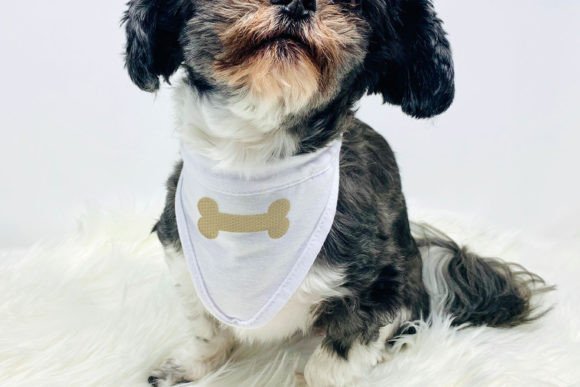
This mini embroidery design is perfect for dog lovers and features a bone. You could even stitch multiple bones in a row. Fits in a 4x4 hoop 8 formats 4 sizes included in a zip file DST, EXP, HUS, JEF. While the description is brief, the implications for a craft business or hobbyist are significant. Let’s break down how this asset performs when moved from a digital embroidery file to a tangible finished product.
First Impressions and Visual Personality
The immediate appeal of the Dog Bone Mini Embroidery lies in its simplicity. In the world of machine embroidery design, less is often more, especially when working within the constraints of a small hoop size. The shape is iconic and instantly recognizable, which is crucial for quick visual communication. Whether you are creating a personalized gift for a neighbor or stocking your Etsy seller shop with niche items, clarity is key.
The layout suggests a clean, modern aesthetic. It does not rely on excessive detail that might get lost in translation on textured fabrics. Instead, it offers a bold silhouette that works well as a standalone motif or as part of a larger pattern. The mood is playful yet polished, making it versatile enough for both juvenile projects like baby embroidery and more sophisticated adult apparel.
Real-World Application: The Tote Bag Test
To truly understand the value of this design, I imagined a specific scenario: preparing a custom embroidered tote bag for a local pet rescue fundraiser. This is a common request for small shop owners and creative entrepreneurs. The goal was to create something durable, visually appealing, and quick to produce in bulk.
I selected a heavy canvas fabric, which presents its own challenges due to the weave texture. Using the medium size from the included four sizes, I hooped the fabric with a cut-away stabilizer to ensure stability during the stitching process. The result was impressive. The design held its shape well, and the stitch density appeared balanced—not so dense that it puckered the canvas, but substantial enough to cover the fabric weave effectively.
This experience highlights why this design is a strong candidate for commercial embroidery projects. It stitches out cleanly on thicker materials, which is essential for items like aprons, pillow covers, and tote bag designs that undergo frequent use and washing. For an embroidery project intended for daily wear or utility, durability is just as important as aesthetics.
Versatility Across Product Lines
Beyond tote bags, the Dog Bone Mini Embroidery shines in various other applications. For those running a craft business, versatility translates directly to profit potential. Here is how this design adapts to different mediums:
- Sweatshirt Embroidery: Placed on the left chest or cuff, the small scale adds a subtle, high-end touch to custom apparel. It avoids the bulky feel that larger designs often create on soft fleece.
- Embroidered Patch Creation: The clear outlines make it ideal for creating iron-on or sew-on patches. You can stitch it on twill, cut it out, and finish the edges with a satin stitch border for a professional look.
- Holiday Embroidery: With simple color changes, this bone can be themed for any season. Think pastel threads for spring or red and green for Christmas gifts, enhancing its appeal as a seasonal product.
- Kitchen Textiles: Stitching multiple bones in a row, as suggested by the design notes, creates a charming border for tea towels or aprons. This repetition adds visual interest without requiring complex digitizing skills from the user.
Technical Considerations and Fabric Choices
While the design is robust, no embroidery file is universal without some adjustments. When working with stretchy fabric like jersey knits for t-shirts, proper stabilization is non-negotiable. I recommend using a tear-away stabilizer with a topping if the fabric is particularly fuzzy or prone to shifting. This ensures that the fill stitch or satin stitch elements remain crisp and do not sink into the pile of the fabric.
For dark fabric backgrounds, thread color contrast becomes critical. A white or bright yellow thread will pop against navy or black, but you must ensure your machine tension is calibrated correctly to prevent the bobbin thread from showing on the top side. Always test the design on scrap fabric first. This step saves time and material, allowing you to check thread color combinations and inspect small details before committing to the final piece.
Additionally, consider the curved surfaces of caps. While the 4x4 hoop compatibility makes it theoretically possible for hat embroidery, the stiffness of the front panel requires careful hooping. If you are new to cap embroidery, start with flat items like pillow covers or blankets before attempting curved surfaces.
Commercial Viability and Brand Consistency
For digital product sellers and boutique branding experts, the inclusion of multiple formats such as DST, EXP, HUS, and JEF is a significant advantage. It ensures compatibility with a wide range of machines, reducing customer support queries about file conversion. This accessibility builds trust with buyers who may not be tech-savvy.
When creating printable mockups or digital embroidery file previews, the clean lines of the Dog Bone Mini Embroidery allow for high-quality presentation images. Clear, professional visuals drive buyer engagement and conversion rates on platforms like Etsy. Moreover, using a consistent design element like this bone across a product line helps establish brand recognition. Customers begin to associate that specific playful style with your handmade product quality.
Final Designer Notes
Before integrating this design into your workflow, keep these practical tips in mind:
- Check Licensing: Always confirm licensing terms before selling finished items or digital products. Ensure you have the right to use the design for commercial embroidery purposes.
- Test Stitch Density: Review the stitch count relative to the size. If the density feels too high for delicate fabrics, consider resizing or adjusting your machine speed.
- Color Planning: Plan your thread colors in advance. Use tools to simulate how the design looks in black and white to ensure the shape remains distinct even without color cues.
- Hoop Size Confirmation: Although it fits in a 4x4 hoop, verify that your specific machine’s hoop dimensions accommodate the largest size included in the zip file.
In conclusion, the Dog Bone Mini Embroidery is a reliable, versatile asset for any designer’s library. It bridges the gap between cute and professional, offering enough simplicity for quick production while maintaining the quality needed for retail-ready goods. Whether you are a hobbyist making holiday gifts or an experienced embroidery product reviewer building a catalog, this design earns its place in the hoop.