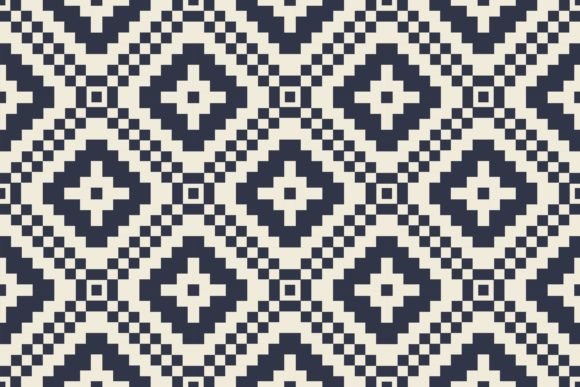
Aztec Kilim Embroidery Pattern Review
As an embroidery designer who has spent countless weekends behind a craft fair table, I have learned that not every machine embroidery design translates into a bestseller. Some designs look beautiful on a screen but fail to catch the eye of a passerby browsing a busy booth. Today, I am reviewing the Aztec Kilim Embroidery Geometric Pattern with a specific focus on its potential for craft fair sellers, handmade shop owners, and Etsy entrepreneurs. This is not just a critique of aesthetics; it is a practical assessment of how this digital embroidery file performs in the real world of batch production and retail.
First Impressions: Bold, Ethnic, and Modern
The first thing that strikes me about the Aztec Kilim Embroidery Geometric Pattern is its strong visual identity. The description highlights a vector blue-white geometric shape seamless pattern, which immediately suggests a clean, high-contrast look. In the context of current trends, this design feels both modern and rustic. It avoids the overly cutesy aesthetic that can sometimes limit a product’s appeal, leaning instead into a sophisticated, ethnic vibe that fits well with the popular boho and farmhouse decor styles.
For a craft fair booth, clarity is king. Customers often walk past tables quickly, so a design must be understandable at a glance. The geometric nature of this pattern ensures that it reads well from a distance. The sharp lines and structured shapes provide a sense of order and premium quality, which can elevate the perceived value of a handmade product. It does not look like a quick afterthought; it looks intentional and designed.
Versatility Across Product Lines
One of the biggest challenges for small shop owners is maximizing the utility of their design assets. A single pattern needs to work across multiple items to justify the purchase price and streamline production. Here is how I see the Aztec Kilim Embroidery Geometric Pattern performing across various categories:
- Tote Bag Design: This is perhaps the strongest application. The geometric repeat works beautifully as an all-over print or a large central motif on canvas totes. The blue and white color scheme is classic and appeals to a wide demographic, making it a safe yet stylish choice for a craft fair product.
- Apron Embroidery: For kitchen-focused sellers, this pattern adds a touch of elegance to utility wear. Placed on the bib or the pocket, it transforms a plain apron into a giftable item. The geometric lines complement the structured nature of an apron without looking cluttered.
- Tea Towel Embroidery: Kitchen textiles are staple sellers. However, caution is needed here. The texture of terry cloth or waffle weave can interfere with small details. This pattern’s bold shapes likely hold up well, but testing on the specific fabric weight is crucial to ensure the stitches do not sink into the pile.
- Embroidered Patch: Patches are low-commitment purchases that drive impulse buys. A geometric kilim design makes for a striking patch that customers can iron onto jackets or bags. It serves as an excellent entry-level product for your booth.
- Pillow Covers and Home Decor: Since the description mentions use for upholstery and home decoration, this pattern is ideal for throw pillows. The seamless nature of the vector design allows for creative placement, whether centered or edging the fabric.
Production Practicality and Batch Selling
From a business perspective, the Aztec Kilim Embroidery Geometric Pattern offers significant advantages for batch production. Geometric designs are generally more forgiving than photorealistic images because they rely on shape and color rather than subtle shading. This consistency means that your hundredth item will look just as good as your first, which is vital for maintaining brand consistency as an Etsy seller or boutique maker.
However, there are technical considerations. The term "seamless pattern" suggests this may be provided as a graphic asset for printing or as a reference for digitizing. If you are using this as a basis for a machine embroidery design, you must pay close attention to stitch density. Dense geometric fills can cause fabric puckering, especially on lighter materials like cotton tea towels. Always use the appropriate stabilizer—likely a cut-away for stretchy fabrics or a tear-away for stable woven cottons—to support the stitch count.
Another critical factor is the hoop size. Before committing to a large run of tote bags, verify that the design fits within your machine’s maximum hoop area. If the pattern is intended to be tiled, ensure that the alignment is precise to avoid visible gaps or overlaps in the final finished product.
Visual Appeal and Customer Engagement
In a crowded marketplace, visual appeal drives engagement. The blue and white color palette of the Aztec Kilim Embroidery Geometric Pattern is psychologically calming yet visually striking. It stands out against neutral backgrounds, which are common in handmade goods. When photographing your items for online listings or creating a printable mockup for social media, this contrast ensures the design pops even in thumbnail views.
Furthermore, geometric patterns convey a sense of modern craftsmanship. They appeal to buyers who appreciate structure and design integrity. By using this pattern on high-quality blanks, you signal that your small shop product is made with care and attention to detail. This perception of quality allows for higher price points and better profit margins.
Careful-Use Notes for Designers
While this pattern is versatile, it is not without its pitfalls. Here are some specific areas where caution is advised:
- Fabric Texture: Avoid using this design on highly textured fabrics like thick wool or looped terry unless you are using a topping stabilizer. The sharp lines of the geometric shape may get lost or distorted by the fabric’s surface.
- Dark Fabric: The description specifies a blue-white pattern. If you intend to stitch this on dark fabric, ensure you have high-contrast thread colors. White thread on navy blue works well, but white on black may require additional underlay stitches to prevent the background from showing through.
- Curved Surfaces: Embroidering on caps or curved pouches requires careful hooping. Geometric patterns can appear distorted if the fabric shifts during stitching. Use magnetic hoops or specialized cap frames to maintain tension and alignment.
- Small Details: If the vector pattern includes very fine lines, these may not translate well to embroidery thread. Thread has thickness, unlike a digital vector line. Simplify any tiny details before digitizing to ensure clarity and prevent thread breaks.
Final Designer Verdict
The Aztec Kilim Embroidery Geometric Pattern is a strong contender for any embroidery business looking to expand its commercial embroidery offerings. Its blend of ethnic charm and modern geometry makes it suitable for a wide range of products, from functional kitchenware to fashionable accessories. For the craft fair seller, it offers the repeatability and visual impact necessary to drive sales.
Before launching, I strongly advise you to test the design on scrap fabric to check thread contrast and spacing. Confirm the licensing terms, especially if you are using the vector graphics for printed goods versus stitched items. Ensure you have the correct embroidery file format for your machine. With proper preparation and attention to detail, this pattern can become a staple in your portfolio, helping you create cohesive, high-value products that resonate with today’s conscious consumers.